

Aloha Geckos! 🦎
Where to start when talking about fabrics?
Well, they’re kind of essential for making your own cosplays. 😄
A Little Background 🦎💚
Hi there! I’m Liz, a cosplayer known as Leaping Lizard Cosplay. I really started cosplaying full time back when I lived in Key West, Florida. An island. Fast forward about a decade and now I live in beautiful Hawaiʻi — which is magical, but also a bit remote when it comes to sourcing cosplay materials. Local fabric stores don’t always have the variety I need, so I had to start ordering fabrics online.
But in the beginning, living on an island raised a big question: Where does one even begin buying fabric online?! 😱
Thus began my quest to understand fabric.
I used to shop in-person and rely on feel—weight, drape, texture. But online? I couldn’t squish or stretch anything. I realized two things:
- I really didn’t know that much about fabrics.
- It was time to learn.
So, I started with what I already owned. I read clothing tags and saw materials listed with percentages. Fibers. My shirts weren’t “just cotton.” They were blends. And that was the beginning of me becoming a fabric nerd.
****Side Note****
When you first start out sewing it can be pretty intimidating. I first started sewing by hand. Then, I started using a machine. My projects at first were simple; buttons, pillows, curtains, and tablecloths. Once I got a feel for my sewing machine, I tackled harder projects and have been slowly expanding my skills. Just like learning Calculus, you first need to learn how to count, then add, then multiply, etc. My point is you don’t turn on the sewing machine and expect it to do magic.
🧵 Wait… What’s the Difference Between Threads and Fibers?

Before we get too deep into types of fabric or sewing machines, we need to answer a foundational question—what’s the difference between a fiber and a thread? This might seem small, but it’s one of those “lightbulb moment” basics that will help everything else make more sense as you start sewing or shopping for fabric.
🔹 What Are Fibers?
Fibers are the raw materials that make up all fabrics. They can be natural (from plants or animals) or man-made (chemically produced), and they’re spun into threads or yarns before being turned into fabric.
Think of fibers like cosplay foam scraps—useful on their own, but not quite ready for action until they’re shaped and assembled into something bigger.
🧵 What Do Fibers Affect?
The type of fiber determines how the fabric behaves. Fibers affect:
- Care – Wash temperature, iron settings, dry clean vs. machine wash.
- Durability – Resistance to wear, stretching, and shrinking.
- Texture (Hand) – How the fabric feels and drapes.
- Weight – How heavy or light the fabric is.
🌱 Types of Fibers
Fibers fall into three main categories:
1. Natural Fibers
- Animal (protein): Wool, silk, alpaca
- Plant (cellulose): Cotton, flax (linen), hemp
✅ Renewable, breathable, biodegradable
🚫 Prone to shrinking, wrinkling, and fading over time
2. Man-Made Fibers
Divided into:
- Regenerated (Cellulose-based): Rayon, acetate – Made by processing natural plant material into fiber form.
- Synthetic (Petroleum-based): Polyester, nylon, spandex, Lycra, microfiber – Chemically created from petroleum or natural gas.
✅ Durable, stretchy, mold-resistant
🚫 Can feel plastic-like, don’t always dye easily
3. Blended Fibers
A mix of two or more fiber types (natural + synthetic, or two of the same family).
- Example: Cotton/spandex blends are breathable yet stretchy—perfect for athletic wear or fitted costumes.
✅ Combines strengths of each fiber
🚫 Can also combine the weaknesses (e.g., shrinkage and wrinkling)
🔸 Why This Matters
Knowing what kind of fiber you’re working with helps you:
- Choose the right needle and thread for your sewing machine
- Know how your fabric will react to dyes
- Handle and wash your cosplay pieces correctly
- Anticipate how your costume will drape, stretch, or wear out
Basically—understanding fibers = fewer sewing disasters and better builds.
🔹 What Are Threads?
Once fibers are cleaned, combed, and spun together, they become thread—a strong, continuous strand you can actually use for sewing, embroidery, or weaving.
Threads are essential for construction and detailing. They hold your cosplay together (literally!) and need to match your fabric’s properties to avoid tension issues or tearing.
🧵 Quick Comparison Chart
| Term | What It Is | Used For | Examples |
|---|---|---|---|
| Fiber | Raw material (natural or synthetic) | Making thread/yarn/fabric | Cotton lint, wool, polyester filament |
| Thread | Spun fiber, ready to sew | Stitching, embroidery, weaving | Spool of polyester thread, embroidery floss |
🧵 How Thread Becomes Fabric (Featuring Looms!)
Let’s rewind before we get into types of fabric—and talk about how fabric is made in the first place.
🪡 First: Thread
Fabric starts with fibers, which are spun into thread or yarn. This spinning process takes raw material (like cotton, silk, or synthetic strands) and twists it together tightly using spindles, wheels, or industrial machines to form long, continuous threads.
✨ Fun fact: The tighter the twist, the stronger the thread. Some threads are even plied—twisted with others for strength or decorative effect.
🧶 Then: Thread to Fabric
Once threads are made, they’re woven or knitted into fabric. That’s where the loom comes in!
A loom is a device that holds threads in place while other threads are interlaced. It’s basically the OG fabric-making machine. The vertical threads are called the warp, and the horizontal threads (that weave through) are called the weft or woof.
Woven fabric is created row by row, with each pass of thread building strength and structure. Depending on how threads are combined, you get different weaves—plain, twill, satin, and more!
🎥 Watch it in action: Here’s a great video from Bella Mae’s Designs on how looms work and fabric is woven.
🧵 Knit vs. Woven Fabrics – What’s the Stitch-uation?
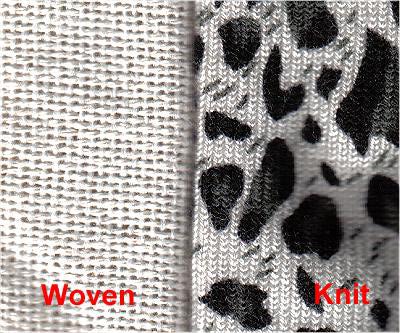
Once fibers are spun into threads, those threads are turned into fabric—but how they’re turned into fabric makes a huge difference. There are two primary ways to make fabric: knitting and weaving. Both have different structures, stretch levels, and sewing needs—and both matter a LOT when it comes to cosplay!
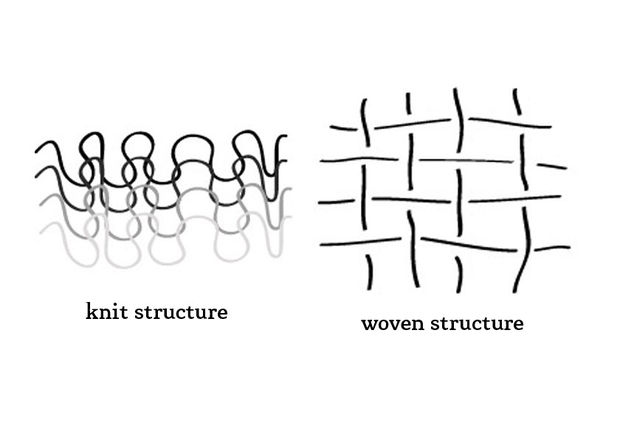
And yes, there’s a helpful diagram below. 👀👇
🧶 Knitted Fabrics
Knits are made from one continuous strand of thread looped together. It’s like your thread is doing yoga—flexible, stretchy, and able to bounce back.
As shown in the diagram, knitted structures are made with:
- Lengthwise loops called ribs
- Crosswise stitches called courses
Because of this looped construction:
- Knits stretch easily—even without added elastic
- They hug the body and move with you
- They’re great for:
- Bodysuits
- Leggings
- Fitted tops and turtlenecks
- Dancewear or superhero suits
There are lots of knit types too—jersey, interlock, rib knit—and they all behave slightly differently depending on fiber content and loop tension.
🧵 Woven Fabrics
Wovens are made on a loom, with a structure that’s sort of like a cherry pie lattice crust. 🥧 (No, really.)
Here’s how it works:
- Warp threads (the lengthwise ones) provide strength and stability
- Weft threads (also called filler, woof, or crosswise yarns) are woven over and under the warp
Because of this crisscross structure:
- Woven fabrics are structured, crisp, and don’t stretch (unless elastic is added)
- They’re strong when pulled horizontally or vertically
- BUT—if you pull diagonally (along the bias), you’ll get some natural give
📌 Pro tip: This is where the bias cut comes in when sewing! Stretchy, slinky garments can be made from non-stretchy woven fabrics if they’re cut on the bias.
Wovens are perfect for:
- Jackets
- Uniforms
- Pants
- Dresses that need to hold shape or volume
And yes, fiber content plays a big role in how tight or loose the weave feels!
🤓 Why This Matters for Cosplayers
Liz this is all very interesting…. but let’s get to the real question? So why does this matter at all?
Now class, please open your textbooks to page 394, where we learn why using the wrong fabric is like wearing plate armor to gym class.
Technically clothing? Yes. Functionally disastrous? Also yes.
Understanding the difference between knit and woven fabrics isn’t just academic—it’s crucial. It affects:
- How your fabric stretches, drapes, and behaves
- What kind of needle and stitch your machine needs
- Whether your cosplay survives a full con day or unravels like your will to finish a Sunday night con crunch
Trust me. Your sewing machine knows the difference. You should too. 🧵
🧵 Your Sewing Machine Definitely Has Opinions
Let’s be honest: sewing machines may look friendly and innocent, but they are very particular—and definitely not plug-and-play.
I’d like to compare owning a sewing machine to owning a fancy DSLR camera and leaving it on auto mode.
Sure, it technically works, but you’re not using it to its full potential—and you’re way more likely to mess something up.
A sewing machine has a ton of features you’ll need to understand, especially when dealing with different types of fabric:
- It needs different needles for different materials:
- Woven fabrics typically use a 2020 universal needle
- Thicker wovens (like canvas or denim) may need a 100/16 or 110/18 needle
- Stretch or knit fabrics require ballpoint needles so they glide through loops without damaging the material
- It also needs different presser feet depending on the job:
- Zipper foot for inserting zippers
- Walking foot for sewing multiple layers evenly
- Teflon foot for sticky materials like vinyl or pleather
Much like a DSLR camera needs the right lens for portraits vs. landscapes, your sewing machine needs the right needle, foot, and settings for the fabric you’re using. And don’t forget to adjust your:
- Thread tension
- Stitch length
- Stitch type (like zigzag for knits, straight stitch for most wovens)
All of this is the sewing equivalent of managing ISO, aperture, and shutter speed.
📸 Here is a picture of some universal sewing needles for woven fabrics:
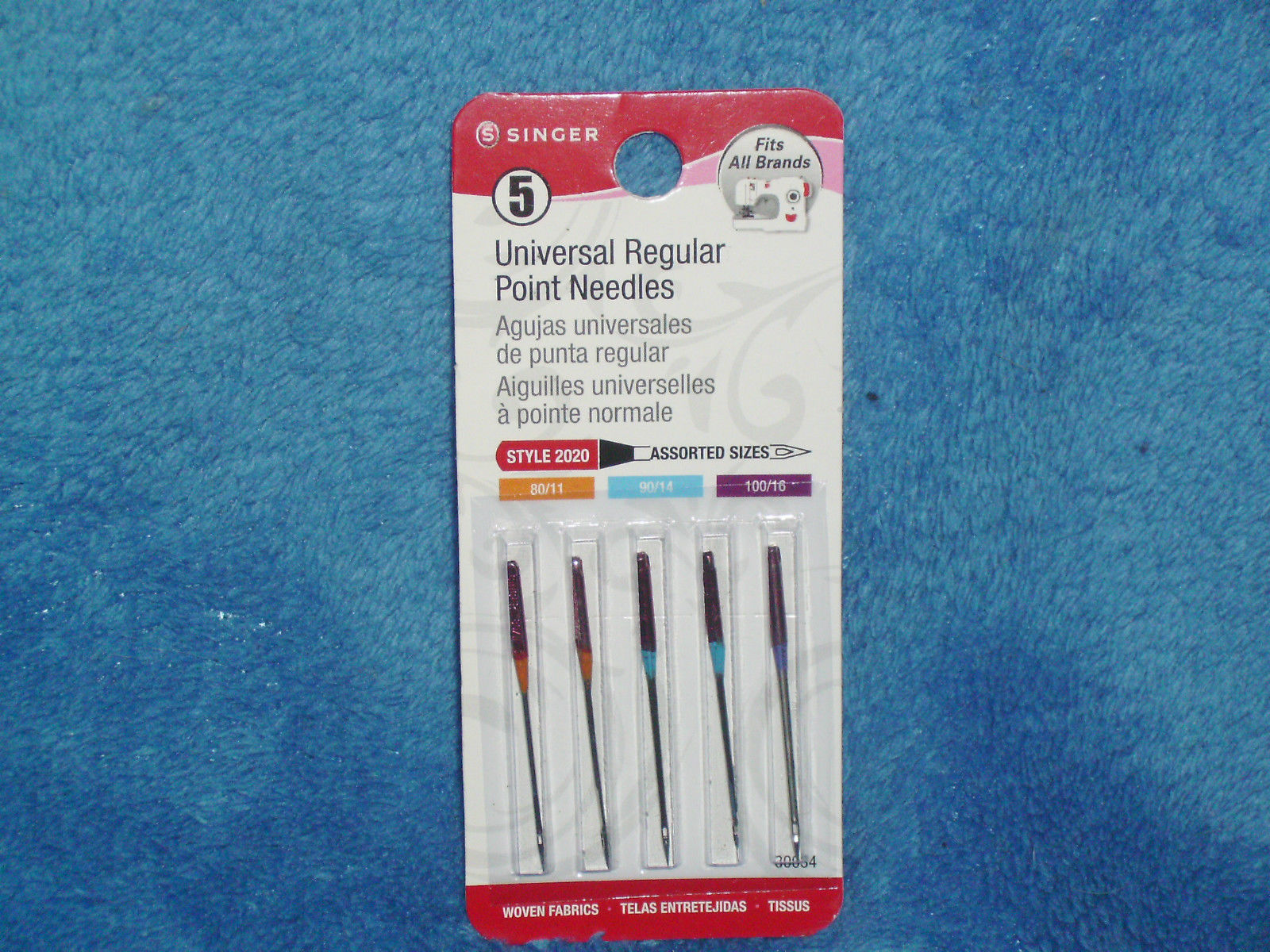
🧵 Just start with these if you’re new. They’re versatile and beginner-friendly while you get the hang of things.
Also!!!! I’ve started drafting a needle guide, and hope to release it soon!
😤 What Happens If You Ignore This?
If you skip all that and just wing it with whatever’s in your machine, you’re setting yourself up for:
- Skipped stitches
- Broken needles
- Puckered seams
- Cosplay rage meltdowns 😤
So yes—your machine definitely knows if you’re just guessing. And it will rebel accordingly.
🧠 Don’t Panic — We’ll Tackle This in a Future Post
I know that’s a lot, especially if you’re just getting started. Don’t worry—I’ll be doing a full post later on all the sewing machine settings, needles, and feet you’ll ever need. For now, just know that your machine isn’t magic—but with the right setup, she can be your best build buddy.
I don’t want to overwhelm you all, so let’s just skip this part for a later article post. I promise I will return to this subject later on as part of my continuing blogging about sewing cosplays.
Next, let’s discuss purchasing fabrics.
Keep in mind, if you are working from a pattern, most patterns that you purchase have a list of fabrics recommended for your sewing project.
💵 Purchasing Fabrics:
When you buy fabric, you’re buying it off the bolt—not like a lightning bolt (unless you’re cosplaying Thor ⚡), but the kind of bolt that’s a roll of fabric stored on a cardboard tube or flat board.

🧵 What Is a Bolt?
A bolt is a roll of fabric used in stores and warehouses. It’s how fabric is stocked, displayed, and measured.
- 📏 Length: Usually ranges from 40 to 100 yards, depending on the fabric type
- Example: A bolt of canvas is traditionally about 39 yards
- 📐 Width: Most bolts are between 45″ and 60″ wide
- Some special fabrics (like upholstery or quilt backing) can be even wider
- 📎 1 yard = 36 inches = 3 feet
When you buy fabric, you usually ask for a specific number of yards to be cut from the bolt. For cosplay, always round up! I recommend getting at least ½ yard more than your pattern calls for—you’ll thank yourself when you mess up a piece (and you will at some point—it’s part of the journey ✂️).
📸 Visual Tip:
I found a great diagram showing how to read and measure fabric off a bolt. It shows things like the fabric width, fold line, and selvage edge—all stuff that comes in handy when you’re cutting out pattern pieces.
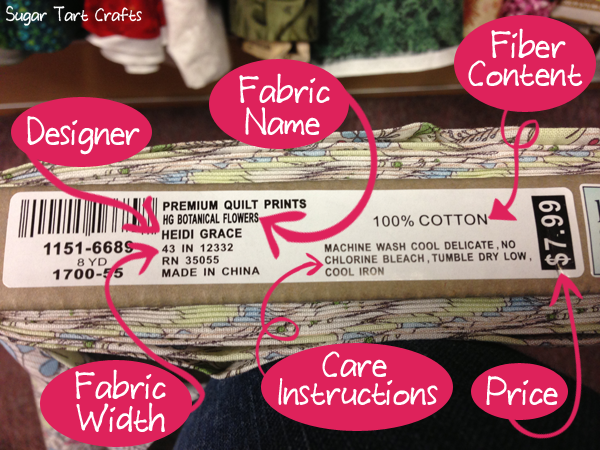
🖼️ From Sugar Tart Crafts – definitely worth a peek if you’re a visual learner.
🛍️ Buying Fabric Online vs. In-Store
🛒 In-Store Tips:
- You can touch the fabric, check stretch, drape, and opacity
- Read the end of the bolt for:
- Fabric name/type (e.g., Cotton Twill)
- Fiber content (e.g., 97% cotton, 3% spandex)
- Width
- Washing instructions
- Ask for a swatch or small cut if you’re unsure
🌐 Online Tips:
- Read the product description very carefully
- Look for fiber content, width, stretch %, and weight (listed in GSM or ounces/yard)
- Zoom in on fabric texture photos
- When in doubt, check reviews or order a sample swatch if available
- Use a fabric weight guide to translate terms like “challis” or “poplin” into real-world feel
✂️ Extra Advice
- Woven fabrics are typically more stable and easier to sew—great for beginners.
- Knits are comfy and stretchy but require special stitches and needles—best once you’re confident on your machine.
- Always check for stretch direction when buying fabric for fitted garments.
- Look for clearance bins or deadstock deals—they’re budget-friendly and perfect for testing.
- Leftover fabric isn’t waste—use it for mockups, linings, accessories, or emergency patch repairs!
✨ Side Note: Mistakes Happen—And That’s Okay!
Ordering fabric online is honestly pretty easy once you get used to it—but yes, mistakes will happen. Maybe you get the wrong stretch, wrong color, or it’s way thinner than expected.
That’s okay.
Some say mistakes are part of the learning process, and I totally agree. One accidental order turned into my personal “fabric stash of wonders”—aka my backup pile for mockups, linings, or future cosplay upgrades. So don’t beat yourself up. Not all is lost. 💖
💰Sites I buy fabric from:
I should throw some sites I’ve used in the past here. None of these are sponsored. Got a recommendation of where to buy fabrics? Comment below and share your wisdom with us!
- Amazon
- Denver Fabrics
- Ebay
- Etsy
- Fabric.com
- Fashion Fabric Club
- Mood Fabrics
- The Fabric Exchange
- Spandex House
- Spoonflower (Check out my store! Is there a custom fabric you are looking for and can’t find? Let me know!)
- Walmart
🚿 Before You Sew: Pre-Wash and Press Your Fabric!
So—you’ve got your fabric? Awesome. You’re ready to sew?
WAIT.
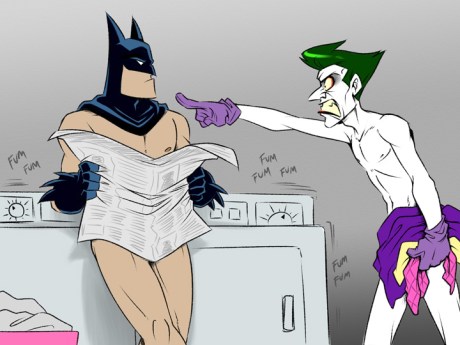
🧺 Always pre-wash and press your fabric before cutting, pinning, or sewing anything.
Why? Because most fabrics shrink, shift, or soften after washing—and if you skip this step, your finished cosplay might shrink or warp the first time you clean it.
Here’s what to do:
- Check the care instructions (from the store, bolt label, or fabric listing)
- Machine wash or hand wash depending on the fiber
- Dry according to fabric type (machine dry or hang dry)
- Then press (iron) it flat—trust me, this will make your cutting way more accurate
💥 Yes, it takes time. But it will save your build from heartbreak later.
🧾 Pro Tip:
If you’re buying fabric online, the website should list care instructions in the product description. If you’re buying in-store, check the end of the bolt—it usually includes fabric content, width, and wash recommendations. (Remember that handy bolt diagram from Sugar Tart Crafts above?) If there’s no info available, a quick Google search of your fabric type (e.g., “how to wash rayon challis”) will point you in the right direction.
Once your fabric is washed and pressed, you’re finally ready to begin sewing! ✂️🪡
🧵 Final Thoughts
On that note, it’s been an absolute pleasure geeking out about the basics of fabric with you. I hope this guide gave you a clearer understanding of what fabric is, how it’s made, and why it matters so much in cosplay crafting.
Whether you’re sewing your first costume or just needed a refresher, thanks for sticking around—and remember, every cosplay starts with a single stitch (and maybe a panic fabric order at 2am).
If you have questions, want clarification, or just want to nerd out about materials, feel free to drop a comment—I’d love to hear from you! What would you like to see?
Mahalo and aloha gekcos! 💚🦎
 Leaping Lizard Cosplay & Gaming
Leave a comment